
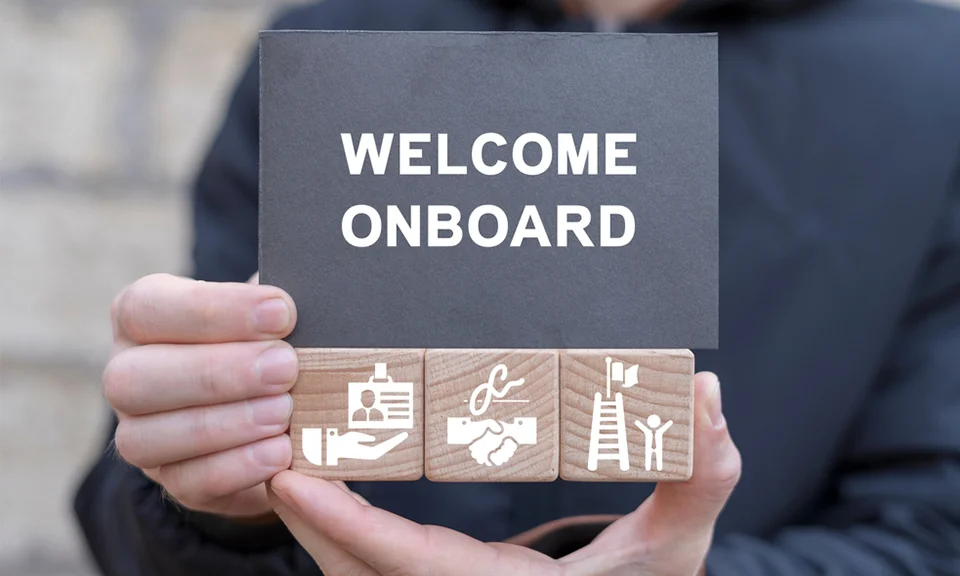
A strong employee onboarding process can make or break a new hire’s journey within your company. It’s not just about paperwork and policies—it’s about setting the tone for a productive, engaging, and lasting relationship between your team and its newest member. Yet, many organizations still treat onboarding as a checklist instead of a strategic experience. Let’s change that.
In this guide, we’ll break down how to create an onboarding experience that actually works—one that helps employees feel welcome, empowered, and ready to thrive from day one.
Effective employee onboarding is more than a one-day orientation or a quick HR presentation. It's a structured, multi-phase experience that integrates new hires into your culture, tools, team dynamics, and expectations.
Here’s why investing in a great onboarding process matters:
To make it work, onboarding should be intentional, consistent, and human-centered. Let’s look at how.
1. Start Before Day One
Onboarding begins before your new hire walks through the door.
This pre-boarding step reduces first-day confusion and builds early excitement.
Break the onboarding process into three clear phases:
Each stage should have defined outcomes, meetings, and check-ins.
A peer mentor can make all the difference. A buddy helps new hires navigate both formal systems and unwritten cultural norms. They’re someone to answer “small” questions without judgment—making the transition smoother and more personal.
Whether you’re onboarding remotely or in-person, use platforms like:
Automate what can be automated—but keep the human touch where it counts.
After the onboarding period, ask new hires what worked and what didn’t. Use short surveys or one-on-one interviews. Their insights are your roadmap to improving the process for the next hire.
The new hire experience is where first impressions turn into lasting impact.
This phase is about emotion as much as information. New hires are absorbing your culture, evaluating your leadership, and deciding if they made the right choice.
Here’s how to elevate that experience:
The better the new hire experience, the faster your employees can contribute meaningfully—and the more likely they are to stay.
Great employee onboarding is a competitive advantage. It’s a clear signal to your new hires that they matter—and that your company is organized, thoughtful, and invested in their success.
By designing a structured yet flexible process, grounded in empathy and feedback, you’ll build stronger teams, reduce turnover, and create a culture of belonging right from the start.
